Seville Blog (5/28 to 5/30)

Written by: Kelly Seitz

The three Spanish cities we’ve stayed in so far, Madrid, Granada, and Seville, have all been great for studying the national identities of Spain, and they’ve also all offered lots to see and do. However, the three days we spent in Seville were probably my favorite learning experiences thus far. On Saturday the 28th, we arrived at our hostel in the center of Seville in the late afternoon after taking the train from Granada. I could instantly feel the differences in comparison to the other cities, partially because Seville was the hottest one, but also because of the layout of the land and the fact that this was the first city we had seen situated near a body of water (the Guadalquivir River). After dropping off our bags, we took a walk where we saw lots of small side streets, horse-drawn carriages, and tons of churches. Our professor Juan said there are over 100 churches in the entire city. These small yet significant aspects of the city helped to make Seville, even from the time we arrived there, a unique and memorable area.

Later on, we ate dinner as an entire group with Professors Lokos and Juan, which is something we hadn’t done since everyone’s first night in Madrid. Saturday night was also the night of the Real Madrid v. Liverpool soccer game, and even though we couldn’t be in Madrid to watch the game, we were able to celebrate Madrid’s eventual win of 1-0 showing the game on a big screen. It was surreal getting to see the city we’re all calling home for the next month win, and to feel the celebrations in the air through the attitudes of other people. Everyone started singing the national anthem of Spain in celebration, and we ended the night by stopping at a churro stand on the walk over the bridge back to our hostel. Our first night in Seville served as a great introduction to the culture of the city.

The next day, Sunday the 29th, we started the day at the Royal Alcázar of Seville. Here, we were able to see the blending of different cultures and religions that we have been learning about in our course come through in the Alcázar’s gardens, artwork, architecture, and history. We even practiced how to ask for a group picture in Spanish, since places like these don’t allow selfie sticks in certain areas. The Royal Alcázar palace was one of my favorite places to see on this entire trip, as the effects of Christianity on the practice of the Muslim religion in historical Seville came through in an engaging way. 
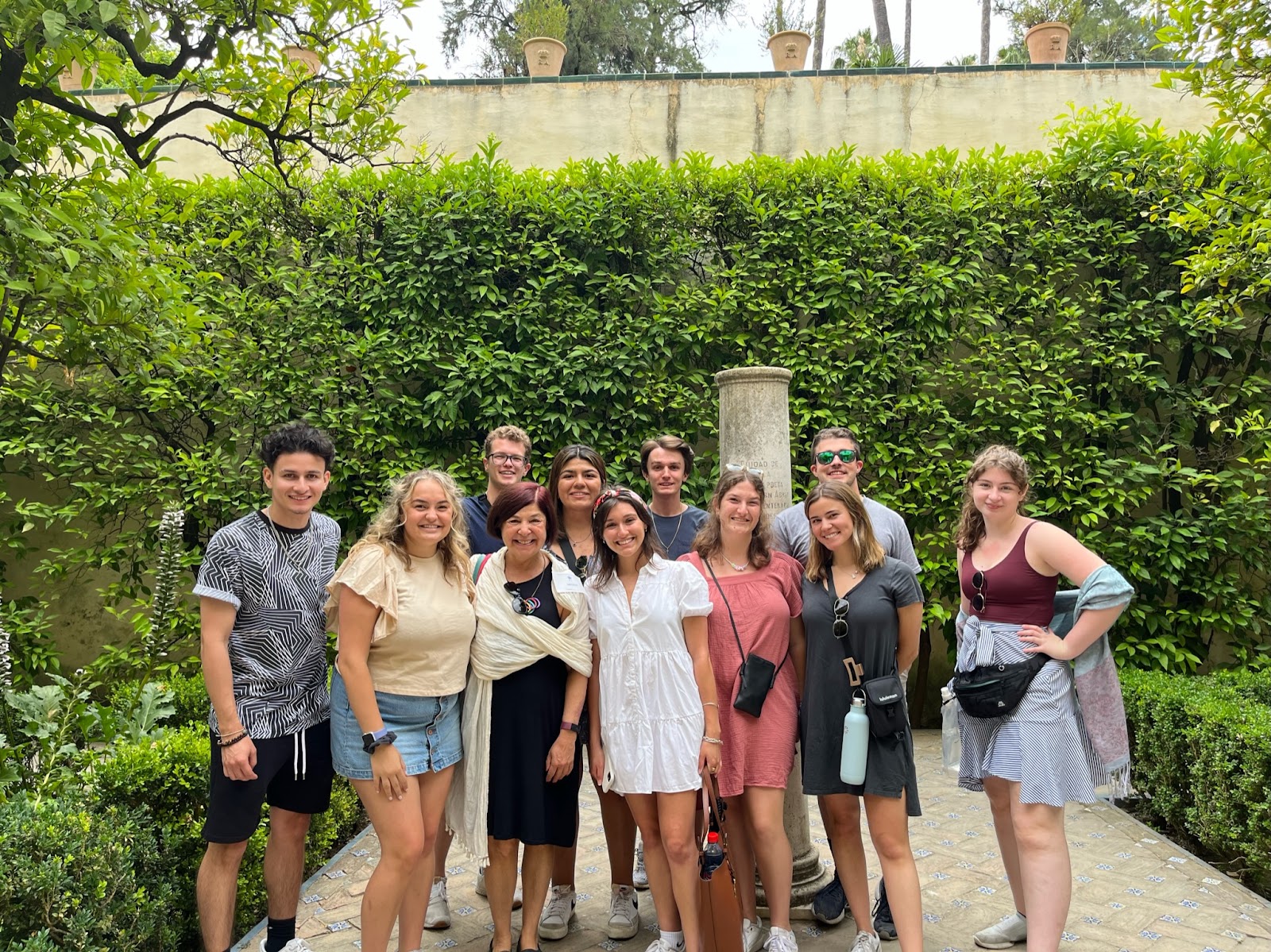
A picture of most of our group at the Alcázar (without our selfie stick)

After a quick lunch at a rooftop hotel restaurant, we met up with our professors and other students at the Catedral De Sevilla. Though the entire ground floor of this cathedral was surreal to see, the most breathtaking part was probably when we climbed to the top of the bell tower. Despite being over 30 stories high, there were no stairs and we had to walk up a spiral ramp for a few minutes to reach the windy top of the tower, which overlooked the whole city. Being situated at such a high point above the city really put into perspective the time, planning, and effort that was necessary for the construction of Spain’s cathedrals and palaces, a small number of which we were able to see.
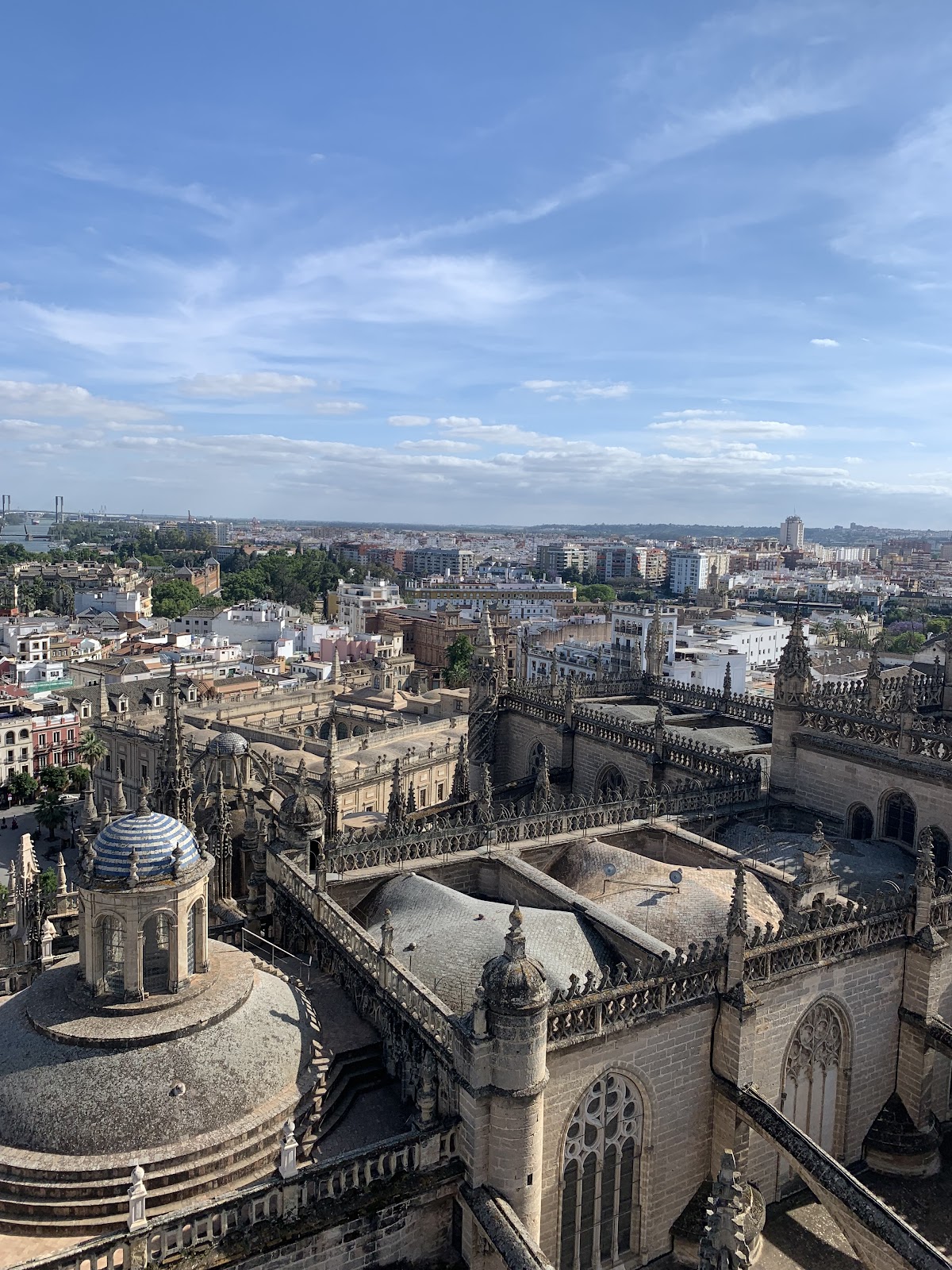
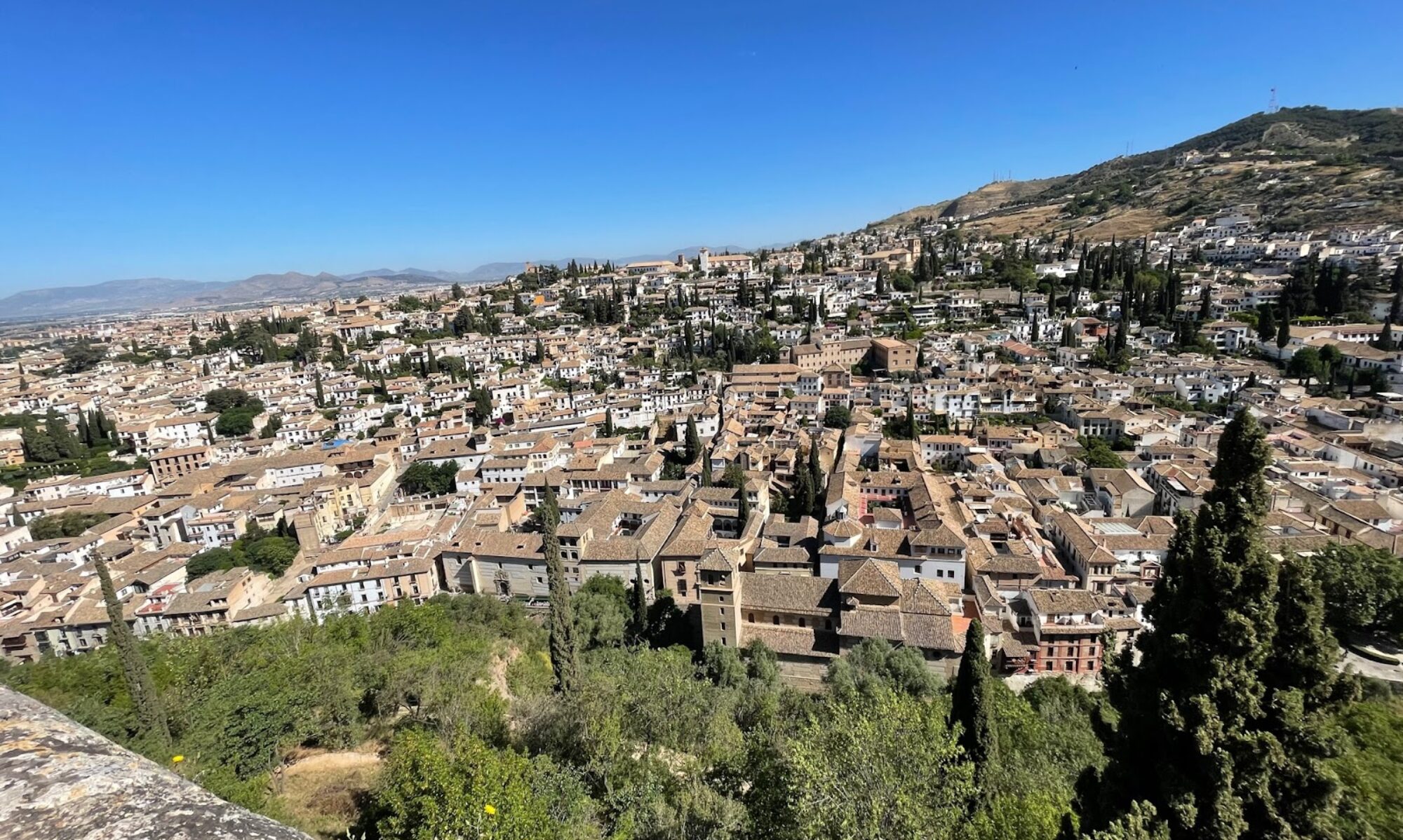
View from the top of the cathedral’s bell tower

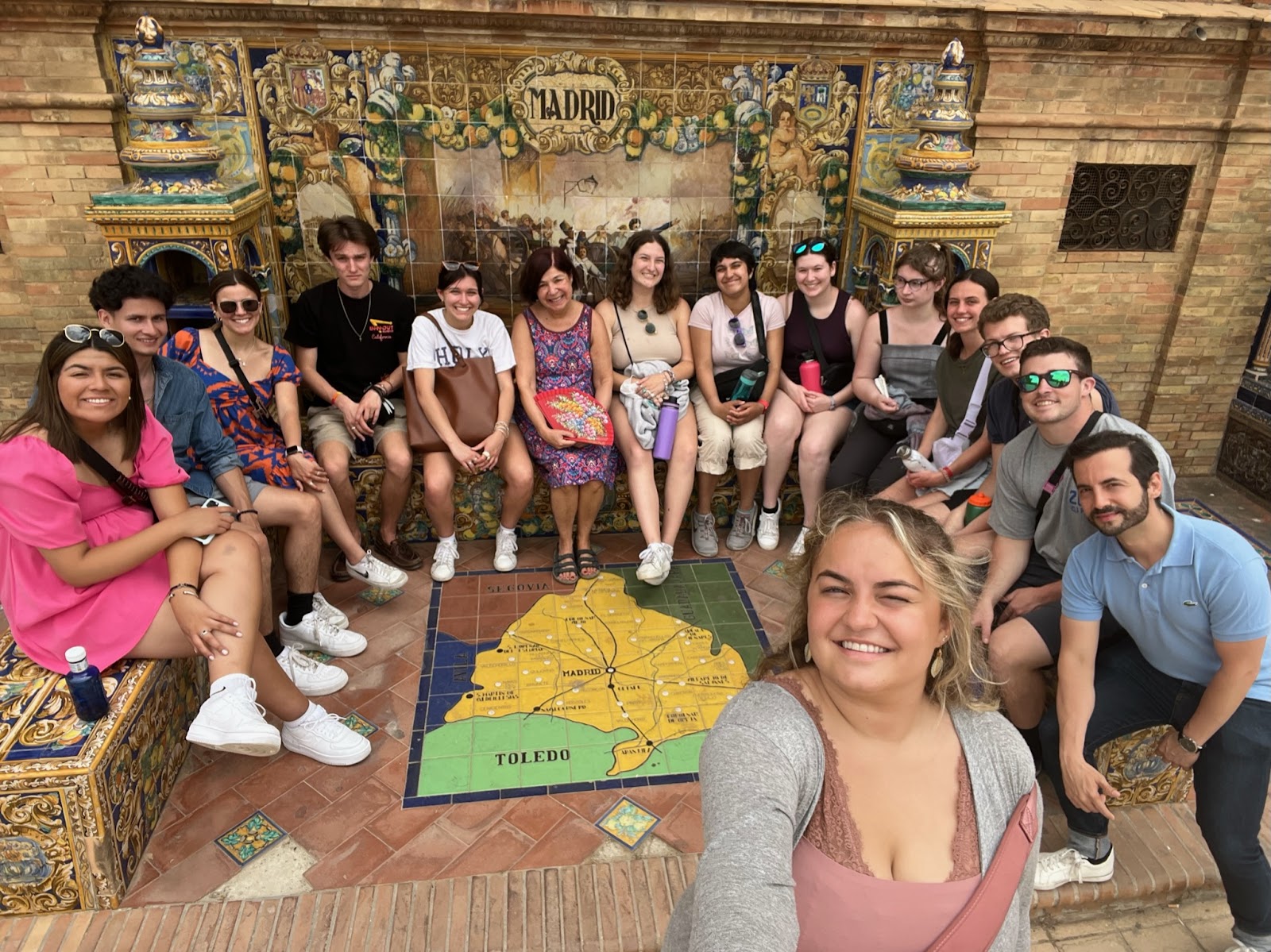
Monday the 30th was our final day in Seville, and we enjoyed a more relaxed day of visiting the Plaza de España, a park in Seville with mosaic installations of every city in Spain originally used for the 1929 World’s Fair. The park had lots to offer, with smaller attractions like boat rides and a man dancing flamenco. However, the most memorable part of the day was when an elderly man and his daughter approached us, told us about his life living in Seville, and sang to us as a way to open us up to his past and share it with us. It was a surreal experience, seeing as in the U.S. this gesture from a complete stranger may have seemed peculiar. However, the Spanish culture of openness and mutual respect came to light through this exchange, and reminded me how lucky we are to take this course while simultaneously immersing ourselves in the different cultures and customs of Spain. After the park, we had a few remaining hours in Seville to walk, eat, shop, and explore, before returning to Madrid on the train. Our three days in the city were extremely eventful and enlightening, and will definitely stick with me as one of my favorite aspects of this entire trip. 
Seville Blog (5/28 to 5/30)

Written by: Kelly Seitz

The three Spanish cities we’ve stayed in so far, Madrid, Granada, and Seville, have all been great for studying the national identities of Spain, and they’ve also all offered lots to see and do. However, the three days we spent in Seville were probably my favorite learning experiences thus far. On Saturday the 28th, we arrived at our hostel in the center of Seville in the late afternoon after taking the train from Granada. I could instantly feel the differences in comparison to the other cities, partially because Seville was the hottest one, but also because of the layout of the land and the fact that this was the first city we had seen situated near a body of water (the Guadalquivir River). After dropping off our bags, we took a walk where we saw lots of small side streets, horse-drawn carriages, and tons of churches. Our professor Juan said there are over 100 churches in the entire city. These small yet significant aspects of the city helped to make Seville, even from the time we arrived there, a unique and memorable area.

Later on, we ate dinner as an entire group with Professors Lokos and Juan, which is something we hadn’t done since everyone’s first night in Madrid. Saturday night was also the night of the Real Madrid v. Liverpool soccer game, and even though we couldn’t be in Madrid to watch the game, we were able to celebrate Madrid’s eventual win of 1-0 showing the game on a big screen. It was surreal getting to see the city we’re all calling home for the next month win, and to feel the celebrations in the air through the attitudes of other people. Everyone started singing the national anthem of Spain in celebration, and we ended the night by stopping at a churro stand on the walk over the bridge back to our hostel. Our first night in Seville served as a great introduction to the culture of the city.

The next day, Sunday the 29th, we started the day at the Royal Alcázar of Seville. Here, we were able to see the blending of different cultures and religions that we have been learning about in our course come through in the Alcázar’s gardens, artwork, architecture, and history. We even practiced how to ask for a group picture in Spanish, since places like these don’t allow selfie sticks in certain areas. The Royal Alcázar palace was one of my favorite places to see on this entire trip, as the effects of Christianity on the practice of the Muslim religion in historical Seville came through in an engaging way. 

A picture of most of our group at the Alcázar (without our selfie stick)

After a quick lunch at a rooftop hotel restaurant, we met up with our professors and other students at the Catedral De Sevilla. Though the entire ground floor of this cathedral was surreal to see, the most breathtaking part was probably when we climbed to the top of the bell tower. Despite being over 30 stories high, there were no stairs and we had to walk up a spiral ramp for a few minutes to reach the windy top of the tower, which overlooked the whole city. Being situated at such a high point above the city really put into perspective the time, planning, and effort that was necessary for the construction of Spain’s cathedrals and palaces, a small number of which we were able to see.

View from the top of the cathedral’s bell tower

Monday the 30th was our final day in Seville, and we enjoyed a more relaxed day of visiting the Plaza de España, a park in Seville with mosaic installations of every city in Spain originally used for the 1929 World’s Fair. The park had lots to offer, with smaller attractions like boat rides and a man dancing flamenco. However, the most memorable part of the day was when an elderly man and his daughter approached us, told us about his life living in Seville, and sang to us as a way to open us up to his past and share it with us. It was a surreal experience, seeing as in the U.S. this gesture from a complete stranger may have seemed peculiar. However, the Spanish culture of openness and mutual respect came to light through this exchange, and reminded me how lucky we are to take this course while simultaneously immersing ourselves in the different cultures and customs of Spain. After the park, we had a few remaining hours in Seville to walk, eat, shop, and explore, before returning to Madrid on the train. Our three days in the city were extremely eventful and enlightening, and will definitely stick with me as one of my favorite aspects of this entire trip. 
Primeras Impresiones De Madrid: Madrid Se Nos Revela (Spanish)


Written by: Ahana Nagarkatti

Esta mañana, llegué a Madrid. El vuelo fue mejor que muchos en mi experiencia de viaje: la comida fue deliciosa, vi una película clásica que quería ver por mucho tiempo (Sunset Boulevard – ¡es una pelí llena de suspenso!), no había mucha turbulencia en el aire, y el piloto aterrizó super bien – sin rebotar en el suelo. En el aeropuerto, comí mi primer (y ciertamente no mi final) bocadillo con jamón iberico y queso. Con un estómago tan lleno como el corazón, empecé mi aventura en España.

Esta tarde, visitamos la Plaza Mayor de Madrid. ¡Quiero compartir unos hechos interesantes que encontré!

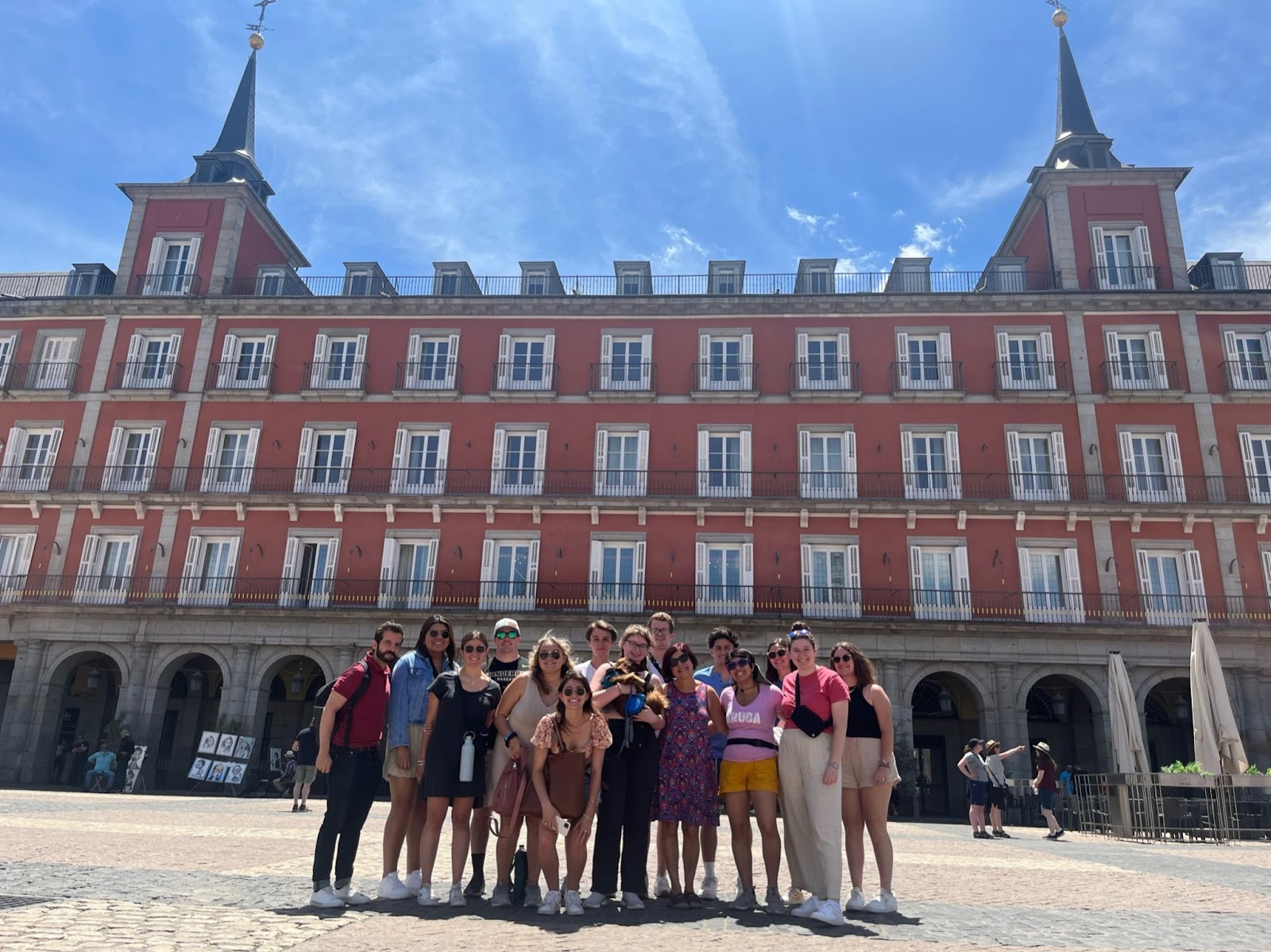
Este sitio fue el centro del Madrid viejo. Sus raíces se remontan al siglo XV, y originalmente se llamaba “Plaza del Arrabal” cuando era el mercado mayor de la ciudad (Viaje Cultura). La plaza sobrevivió tres fuegos en su historia (Viaje Cultura). En el centro de la plaza, hay una escultura del rey Felipe III que está montada a caballo. La plaza fue el sitio de corridas, ejecuciones, y juegos de fútbol. Las entradas tienen nombres distintos: Siete de Julio, Arco de Triunfo, Felipe III, Sal, Zaragoza, Gerona, Botoneras, Toledo, Cuchilleros, y Ciudad Rodrigo (Hostal Persal).

Hoy, la plaza es una atracción turística con muchos restaurantes, apartamentos y un hotel. ¡Incluso hay un Pizza Hut! Cada año, la plaza acoge el mercado navideño (Viaje Cultura). Durante nuestro tiempo en la plaza, probamos un almuerzo tradicional: un bocadillo con calamares. Me gustaba mucho, me parece como la unión del plato mediterráneo se llama calamari y la baguette. ¡Es una pareja perfecta! Te recomiendo que lo pruebes cuando lo visites. Para acompañarlo, sugeriría una Fanta de limón, ¡un maridaje como el vino tinto y el bistec!

Cuando puse un pie en la ciudad, inmediatamente realicé que es una ciudad viviendo. Rodeando las calles, pude ver la construcción y renovación que mantiene la belleza de la ciudad para las generaciones que vienen. Pude oír lenguas de países extranjeros, y español hablado enfáticamente. Pude sentir el orgullo que la gente siente por su ciudad, y me sentía emocionada por buscar mi propio lugar en Madrid.

Primeras Impresiones De Madrid: Madrid Se Nos Revela (Spanish)


Written by: Ahana Nagarkatti

Esta mañana, llegué a Madrid. El vuelo fue mejor que muchos en mi experiencia de viaje: la comida fue deliciosa, vi una película clásica que quería ver por mucho tiempo (Sunset Boulevard – ¡es una pelí llena de suspenso!), no había mucha turbulencia en el aire, y el piloto aterrizó super bien – sin rebotar en el suelo. En el aeropuerto, comí mi primer (y ciertamente no mi final) bocadillo con jamón iberico y queso. Con un estómago tan lleno como el corazón, empecé mi aventura en España.

Esta tarde, visitamos la Plaza Mayor de Madrid. ¡Quiero compartir unos hechos interesantes que encontré!

Este sitio fue el centro del Madrid viejo. Sus raíces se remontan al siglo XV, y originalmente se llamaba “Plaza del Arrabal” cuando era el mercado mayor de la ciudad (Viaje Cultura). La plaza sobrevivió tres fuegos en su historia (Viaje Cultura). En el centro de la plaza, hay una escultura del rey Felipe III que está montada a caballo. La plaza fue el sitio de corridas, ejecuciones, y juegos de fútbol. Las entradas tienen nombres distintos: Siete de Julio, Arco de Triunfo, Felipe III, Sal, Zaragoza, Gerona, Botoneras, Toledo, Cuchilleros, y Ciudad Rodrigo (Hostal Persal).

Hoy, la plaza es una atracción turística con muchos restaurantes, apartamentos y un hotel. ¡Incluso hay un Pizza Hut! Cada año, la plaza acoge el mercado navideño (Viaje Cultura). Durante nuestro tiempo en la plaza, probamos un almuerzo tradicional: un bocadillo con calamares. Me gustaba mucho, me parece como la unión del plato mediterráneo se llama calamari y la baguette. ¡Es una pareja perfecta! Te recomiendo que lo pruebes cuando lo visites. Para acompañarlo, sugeriría una Fanta de limón, ¡un maridaje como el vino tinto y el bistec!

Cuando puse un pie en la ciudad, inmediatamente realicé que es una ciudad viviendo. Rodeando las calles, pude ver la construcción y renovación que mantiene la belleza de la ciudad para las generaciones que vienen. Pude oír lenguas de países extranjeros, y español hablado enfáticamente. Pude sentir el orgullo que la gente siente por su ciudad, y me sentía emocionada por buscar mi propio lugar en Madrid.

My First Impressions of Madrid, Spain

Written by: Alanya Telerski

I have finally made it to Madrid alongside 12 other Holy Cross students after experiencing an incredibly exhausting travel day. It is currently four in the afternoon on May 23rd and just 30 hours after touching down in Spain, I already feel familiar with my surroundings and am getting increasingly excited for the month ahead. But before we head off on trips all over Spain, I wanted to share some of the exciting places I have so far, all in the blocks immediately surrounding our hotel. Enjoy this log of what I was able to see in Madrid in an afternoon, on foot, while jet lagged.  

Almost immediately after arriving in Spain, Professors Lokos and Iso took us on a walk exploring the neighborhood we are staying in. Our hotel is located on Plaza del Ángel and is mere meters from most of Madrid’s most popular sites. First, we walked by El Museo Nacional del Prado before walking through Parque del Retiro. I could have spent hours strolling through the countless well-manicured walkways all connected by a large fountain in the middle of the park. Retiro also has a beautiful man-made lake where you can rent a rowboat, surrounded by cafés and food stalls. We enjoyed the view of the lake while resting outside one of the cafés and listening to street performers.

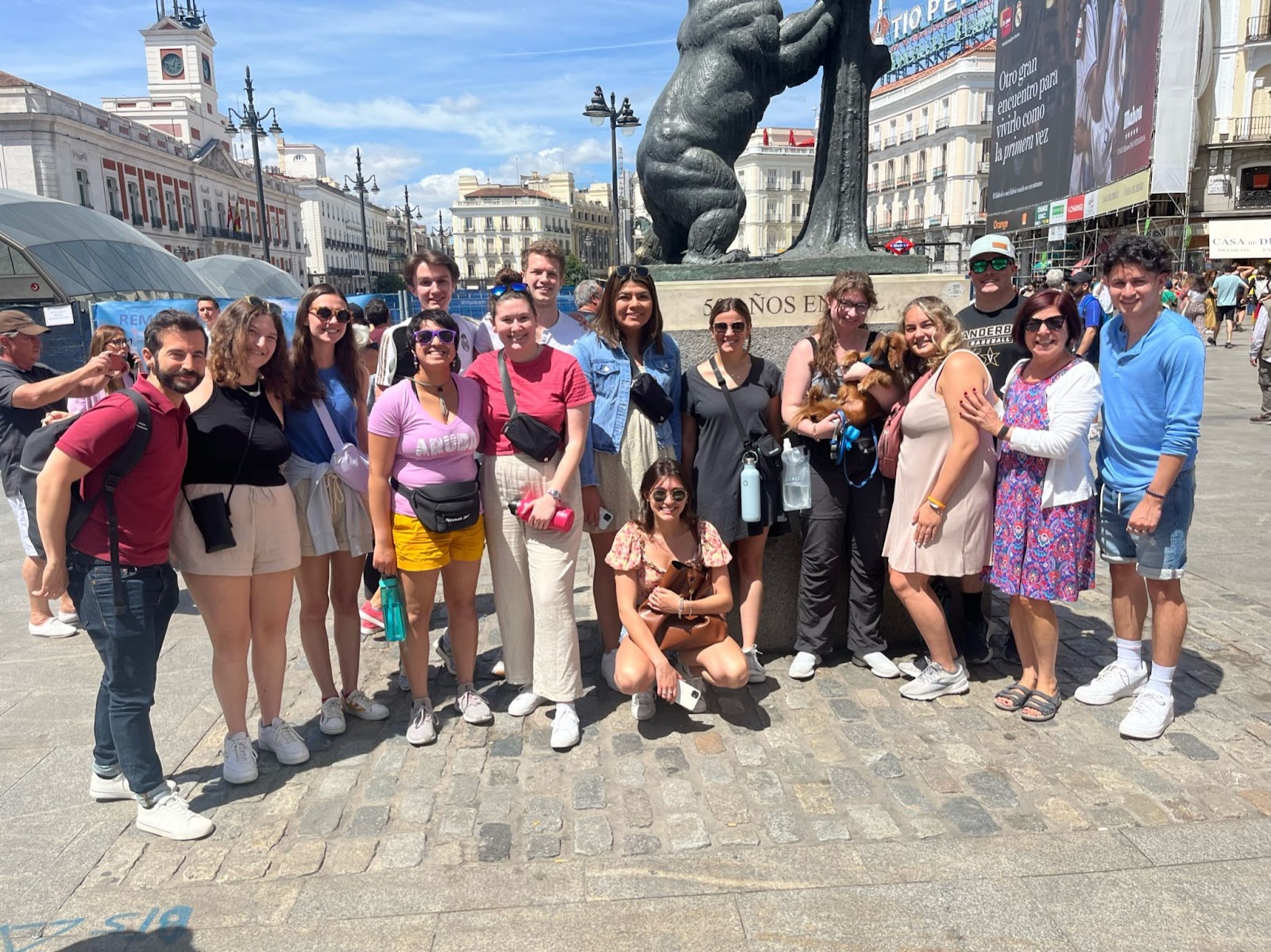
After enjoying the park, we walked through Puerta del Sol: the city’s center for tourism and shopping. There we saw the famous statue, El Oso y el Madroño, a symbol of the resiliency and strength of Madrid’s industry and its locals. It was so exciting to begin learning about some of the most famous sites in Madrid from our passionate professors. In just one afternoon in Madrid, I was introduced to its cobblestone streets, self-assured cab drivers, and more tapas bars than I could count. I also met the strong Spain sunshine and expensive bottled water. But, more than anything, our first walk upon arriving in Spain was perfect for introducing us to the joy of taking a siesta. Now I understand the hype.

My initial observation of Madrid is that its history is just as alive as its people. Madrileños never sleep, and why would they? They live in a city of historic architecture, endless shopping options, and delicious food. I am excited to travel across Spain, but I am most excited to spend most of my month exploring what Madrid has to offer. I feel very lucky to be experiencing the joy that local Madrileños feel every day, even if I can only experience it for a month.

My First Impressions of Madrid, Spain

Written by: Alanya Telerski

I have finally made it to Madrid alongside 12 other Holy Cross students after experiencing an incredibly exhausting travel day. It is currently four in the afternoon on May 23rd and just 30 hours after touching down in Spain, I already feel familiar with my surroundings and am getting increasingly excited for the month ahead. But before we head off on trips all over Spain, I wanted to share some of the exciting places I have so far, all in the blocks immediately surrounding our hotel. Enjoy this log of what I was able to see in Madrid in an afternoon, on foot, while jet lagged.  

Almost immediately after arriving in Spain, Professors Lokos and Iso took us on a walk exploring the neighborhood we are staying in. Our hotel is located on Plaza del Ángel and is mere meters from most of Madrid’s most popular sites. First, we walked by El Museo Nacional del Prado before walking through Parque del Retiro. I could have spent hours strolling through the countless well-manicured walkways all connected by a large fountain in the middle of the park. Retiro also has a beautiful man-made lake where you can rent a rowboat, surrounded by cafés and food stalls. We enjoyed the view of the lake while resting outside one of the cafés and listening to street performers.

After enjoying the park, we walked through Puerta del Sol: the city’s center for tourism and shopping. There we saw the famous statue, El Oso y el Madroño, a symbol of the resiliency and strength of Madrid’s industry and its locals. It was so exciting to begin learning about some of the most famous sites in Madrid from our passionate professors. In just one afternoon in Madrid, I was introduced to its cobblestone streets, self-assured cab drivers, and more tapas bars than I could count. I also met the strong Spain sunshine and expensive bottled water. But, more than anything, our first walk upon arriving in Spain was perfect for introducing us to the joy of taking a siesta. Now I understand the hype.

My initial observation of Madrid is that its history is just as alive as its people. Madrileños never sleep, and why would they? They live in a city of historic architecture, endless shopping options, and delicious food. I am excited to travel across Spain, but I am most excited to spend most of my month exploring what Madrid has to offer. I feel very lucky to be experiencing the joy that local Madrileños feel every day, even if I can only experience it for a month.

Prepping & Packing for España!

Written by: Elizabeth Leo ’23

The overwhelming task of deciding what to pack has begun! I tend to be an overpacker when it comes to a weekend stay, so this has been quite the challenge for me. I was sure to purchase the essentials a few weeks in advance, such as the correct outlets and locks for my luggage— Lots of things I had never thought of until the Pre-Departure Meeting! Professor Lokos gave me great advice: don’t pack too much because you are going to want to bring back lots of souvenirs! Shopping is my weakness, and I am ready to see what Spanish stores have to offer. As this Saturday approaches, I am starting to get more and more excited. I finally finished all of my finals today, so all my sights are set on packing and getting organized for the big day. A few of the other students that I am traveling to Spain with will be on the same plane as I am, so we have started to plan when we are going to arrive at the airport. There has been a lot of paperwork that we have had to get squared away ahead of time, so I have been checking my bases constantly. Luckily my parents have been very helpful along the way, and my dad especially is great with providing travel information and organization. It has been a little bit difficult to unpack my dorm room while simultaneously packing for a month-long trip! But, it has also allowed me to lay out all of my things and decide what should come with me and what should stay. In the next coming days, I will go to the bank to exchange US dollars for euros. I think that will seal the deal and make this trip feel more real!